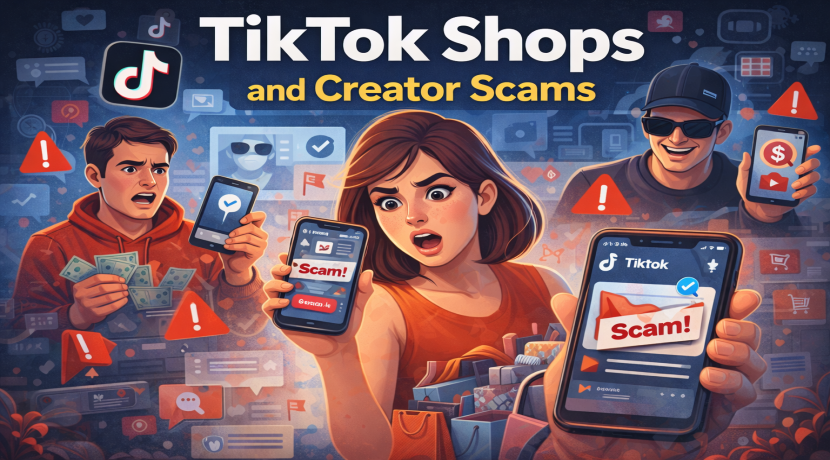
TikTok Shop Scams: How Creator-Driven Commerce Puts Buyers at Risk in 2026
2026-Jan-24
The rise of TikTok shopping has fundamentally changed how millions of people discover and purchase products online. When a creator you've been following for months casually mentions a product they "can't live without," it doesn't feel like advertising. It feels like a friend giving you genuine advice. That trust is exactly what makes TikTok shop scams so effective and so devastating.
After analyzing hundreds of consumer complaints and interviewing victims of creator-endorsed scams, I've identified the warning signs that separate legitimate TikTok commerce from sophisticated fraud operations. Understanding these red flags could save you hundreds of dollars and the emotional toll of feeling deceived by someone you trusted.
The Psychology Behind TikTok Shopping Scams
TikTok has engineered a shopping experience that feels fundamentally different from traditional e-commerce. When a creator appears on your For You Page demonstrating a skincare product or kitchen gadget, the presentation is deliberately casual. They're not reading from a script in a studio. They're talking to you from their bedroom, their car, or their kitchen. The authenticity is the selling point.
This intimacy creates what behavioral economists call "parasocial relationships." Viewers develop genuine emotional connections with creators, even though the relationship is entirely one-sided.
When that trusted voice recommends a product, your brain processes it differently than a traditional advertisement. The skepticism you'd normally apply to a sponsored post gets bypassed because it doesn't feel sponsored, even when it clearly is.
Scammers understand this vulnerability better than most legitimate sellers. They don't need elaborate websites or professional marketing teams. They just need to partner with creators who have built that trust over months or years of consistent content. The creator becomes the brand's credibility, whether they've actually vetted the product or not.
How TikTok Shop Scams Actually Operate
The mechanics of most TikTok shopping scams follow a predictable pattern that exploits the platform's unique features. A creator posts a video showcasing a product with compelling results. The comment section fills with questions about where to buy it. A link appears in the creator's bio or in TikTok Shop. Limited stock warnings create urgency. Discount codes make the deal feel exclusive.
What happens next separates legitimate operations from scams. In many fraudulent schemes, the creator is not directly running the shop. They're being paid a commission or flat fee to promote products they've never personally tested or verified. When buyers encounter problems, the responsibility dissolves into a chain of blame where no one accepts accountability.
The seller claims shipping delays or supplier issues. The creator insists they were just promoting a product they believed in, not managing the business. TikTok points to its marketplace policies and terms of service. Meanwhile, the buyer who spent $50, $100, or $500 based on that thirty-second video is left with no product, no refund, and no recourse.
The speed of TikTok's algorithm makes this model particularly effective for scammers. A video can reach millions of viewers within 24 hours, generating thousands of orders before any negative feedback surfaces. By the time complaints start appearing in comments, the damage is done. The scammers have collected payments, and they have multiple exit strategies ready.
Common Red Flags in Fraudulent TikTok Shops
Through extensive analysis of reported scams, certain warning signs appear consistently. Recognizing these patterns can help you avoid becoming a victim before you ever enter your payment information.
Pricing that sits suspiciously below market value is the first major indicator. When a product that typically retails for $80 is offered at $35 with no clear explanation beyond "direct from manufacturer" or "cutting out middlemen," that discount often comes at the cost of quality, authenticity, or delivery altogether. Scammers price products low enough to seem like incredible deals but high enough to make substantial profits when they never fulfill orders.
Product descriptions on fraudulent shops tend to be deliberately vague. Instead of specific materials, dimensions, or capabilities, you'll see generic language like "premium quality" or "professional grade" without any supporting details. Legitimate sellers provide concrete specifications because they have actual products to describe. Scammers keep descriptions ambiguous because the product either doesn't exist or differs dramatically from what's shown in the video.
Return and refund policies reveal a tremendous amount about a seller's legitimacy. Scam operations either bury these policies in hard-to-find pages, make them prohibitively restrictive, or omit them entirely. When policies do exist, they're often filled with contradictory language or impossible requirements designed to discourage buyers from actually attempting returns.
Customer service response patterns provide another critical indicator. Before you purchase, messages are answered within minutes. Questions are met with enthusiasm and reassurance. After payment is processed, response times stretch to days or weeks. Shipping inquiries receive vague updates. Refund requests are met with requests for more information, more patience, or more waiting. The strategy is exhaustion. If they can make resolution difficult enough, many buyers will simply give up.
Tracking numbers represent another common deception tactic. Initial shipment confirmations arrive promptly, creating the impression of legitimate fulfillment. The tracking number either shows no movement for weeks, updates with meaningless status changes, or belongs to a completely different shipment. Some sophisticated operations use real tracking numbers for cheap items shipped to random addresses, giving the appearance of delivery without sending anything to the actual buyer.
The Role of Creators in Shopping Scams
Not every creator promoting a fraudulent product is actively complicit in the scam, but the distinction matters less to victims than it should. The fundamental issue is that many creators fail to understand the responsibility they assume when they monetize their influence through product recommendations.
Some creators operate with genuine carelessness. They accept payment to promote products they've never used, from companies they haven't researched, to audiences who trust them implicitly. When problems arise, these creators are genuinely surprised. They didn't intend to scam anyone. They simply prioritized income over due diligence. The impact on their followers is the same regardless of intent.
Other creators exist in a gray area of willful ignorance. They notice red flags in the companies approaching them but choose not to investigate too closely. The commission is attractive. The product looks good in videos. Their followers are asking for shopping links. They rationalize that if something goes wrong, it's the company's fault, not theirs. This abdication of responsibility leaves their audience vulnerable while they profit from each sale.
A smaller but more dangerous group of creators are knowingly complicit. They understand the products are low-quality or won't be delivered as promised, but the payout is substantial enough to justify the damage to their reputation. They plan to delete negative comments, remove the video if complaints become overwhelming, and move on to the next opportunity. These creators view their audience as a resource to be monetized rather than a community to be protected.
The economic incentives of creator commerce work against consumer protection. Creators are typically paid based on views, clicks, or conversions, not on customer satisfaction or successful deliveries. A creator can earn thousands of dollars from a single viral video promoting a product, even if 30% of buyers never receive their orders. The platforms facilitating these transactions have done little to change this dynamic.
What Buyers Need to Know to Protect Themselves
Protecting yourself from TikTok shop scams requires separating the entertainment value of content from the commercial transaction you're about to make. The fact that you enjoy a creator's videos and feel connected to their personality does not make the businesses they promote trustworthy. These are two entirely separate considerations.
Before making any purchase through TikTok Shop or a creator's affiliate link, research the seller independently. Search for the company name along with terms like "scam," "complaints," or "reviews." Check the Better Business Bureau, Trustpilot, and Reddit discussions. If you can't find substantial independent verification of the company's legitimacy, that absence of information is itself a warning sign.
Start with small test purchases rather than bulk orders, even when discount codes incentivize larger purchases. If you're considering a $200 order, first buy a single item for $30. Verify that it arrives as described, matches the quality shown in videos, and that the seller's customer service functions properly. This approach costs you potential savings on volume discounts but protects you from much larger losses.
Documentation becomes critical when problems arise. Before completing your purchase, screenshot the product listing with all claims and specifications visible. Screenshot the creator's video or save it to your device. Capture the checkout page showing the total price and stated shipping timeframe. Save all confirmation emails and communication with the seller. If you need to dispute a charge or file a complaint, this documentation is essential.
Payment method selection offers another layer of protection. Credit cards provide stronger dispute rights than debit cards. Payment platforms like PayPal offer buyer protection programs that can facilitate refunds when sellers fail to deliver. Avoid payment methods that offer no recourse, such as wire transfers, cryptocurrency, or certain peer-to-peer payment apps when used for goods and services.
Be immediately suspicious of any purchase that demands urgency without offering support. Legitimate businesses want your trust and your repeat business. They provide clear contact information, reasonable shipping timelines, and accessible customer service. Scammers create artificial urgency because they need you to buy before you research. If you're being told "only 3 left" or "sale ends in 1 hour" for a product you've never heard of from a company you can't verify, that pressure is a warning, not an opportunity.
The Responsibility Creators Must Accept
For content creators monetizing their influence through product promotions, the ethical framework needs to be clear. When you tell your audience to buy something, you are assuming responsibility for that recommendation. The trust your followers place in you is not a resource to be exploited. It's a responsibility to be honored.
Due diligence is not optional. Before promoting any product or shop, creators should personally test the item, research the company's reputation, verify their customer service responsiveness, and understand their shipping and return processes. If a company refuses to send you samples, won't provide transparent information about their operations, or pressures you to post before you're comfortable, those are reasons to decline the partnership, not overcome objections.
Transparency about compensation strengthens rather than weakens your credibility. Your audience understands that content creation is work and that sponsorships are a legitimate revenue source. What damages trust is pretending recommendations are organic when they're paid, or hiding the fact that you receive commissions on sales. Clear disclosure actually increases the perceived authenticity of creators who do thorough vetting.
When problems arise with products you've promoted, address them publicly and proactively. Deleting negative comments, removing videos, or ignoring complaints teaches your audience that you prioritize profit over their welfare. Acknowledging issues, facilitating solutions, and severing relationships with problematic sellers demonstrates that you value your community's trust more than a single partnership.
The long-term economics of creator commerce favor building genuine trust over extracting short-term profits. Creators who consistently promote quality products from reliable sellers build audiences that make repeated purchases and recommend products to others. Creators who promote anything that pays well enough might see immediate income spikes, but they destroy the foundation of trust their entire business model depends on.
TikTok's Role in the Problem
TikTok has built an incredibly effective commerce platform by making shopping feel native to the content experience. The integration is seamless. The friction is minimal. The conversion rates are exceptional. What the platform has not built with equal effectiveness is accountability for when transactions fail.
TikTok's marketplace policies technically require sellers to meet certain standards and prohibit fraudulent operations. In practice, enforcement is reactive rather than proactive. Scam shops operate freely until enough complaints accumulate. By that point, they've already collected substantial revenue and can simply create new accounts under different names.
The platform profits from every transaction facilitated through TikTok Shop regardless of whether the buyer receives their product or gets scammed. This creates a fundamental misalignment of incentives. TikTok benefits from volume and velocity of commerce, not from ensuring each transaction is legitimate and satisfying. Until this changes, buyers cannot rely on the platform itself to protect their interests.
Final Thoughts
TikTok shop scams are not isolated incidents or occasional bad actors slipping through an otherwise robust system. They are the predictable result of a platform that has scaled influence and monetization faster than it has scaled accountability and consumer protection.
The combination of parasocial relationships, viral velocity, and diffused responsibility creates an environment where scams thrive. Creators can profit from promotions without verifying legitimacy. Sellers can collect payments without delivering products. The platform can facilitate transactions without ensuring outcomes. Only the buyer bears the full consequence when the system fails.
Protecting yourself requires recognizing that TikTok shopping is fundamentally different from both traditional e-commerce and in-person retail. The trust you feel toward a creator is real, but it should not be transferred automatically to the businesses they promote. Your emotional connection to content should be separate from your commercial decisions about purchases.
Approach every TikTok shop as though you're buying from a completely unknown seller, because functionally, you are. Verify independently. Start small. Document everything. Use protected payment methods. If something feels rushed or unclear, trust that instinct over the enthusiasm of a creator's recommendation.
For creators, understand that your influence is built on trust that took months or years to establish but can be destroyed in a single scam. The businesses you promote become extensions of your personal brand. Choose them with the same care you'd want someone to use when recommending something to a family member.
The current system will not fix itself. Platforms prioritize growth. Scammers adapt faster than regulations. Only informed consumers and responsible creators can create meaningful pressure for change. Your skepticism is not cynicism. It's protection. Your questions are not suspicious. They're necessary. The trust economy only works when trust is actually earned, verified, and maintained, not when it's assumed, exploited, and abandoned.
Comments
Comments are reviewed before they appear publicly.
Sign in to leave a comment.
Sign inNo comments yet. Be the first to leave one.